First inning: early pace and opening numbers
The matchup opens the regular season in group round 1 with the Boston Red Sox listed as the away team and the Cincinnati Reds listed as the home team.
With only the event listing available, the cleanest read on Reds vs Red Sox odds is that pricing will be driven more by market temperature than by any documented starter, injury, or recent-game splits.
Because no opening line, total, or run line is provided for this game, any Reds vs Red Sox sportsbook odds you see posted will be reacting to public action, roster recognition, and opener volatility rather than a referenced statistical edge.
For Reds fans looking for a simple entry point, Reds vs Red Sox moneyline shopping matters most early because this slate provides no confirmed pitching or form indicators in the listing.
Middle innings: where value-hunters typically pivot
As the game settles into the middle frames, bettors usually shift attention from pregame price to live odds and inning-by-inning totals, and this event’s data only confirms the competitors as Cincinnati and Boston in a regular-season setting.
With no documented line movement in the provided betting info, any midgame adjustment you track will be driven by what’s happening on the field rather than a reported pregame shift.
If you’re building Reds vs Red Sox picks against the spread, the only grounded angle from the listing is Cincinnati’s home designation, which often influences how run-line prices get shaded during live markets.
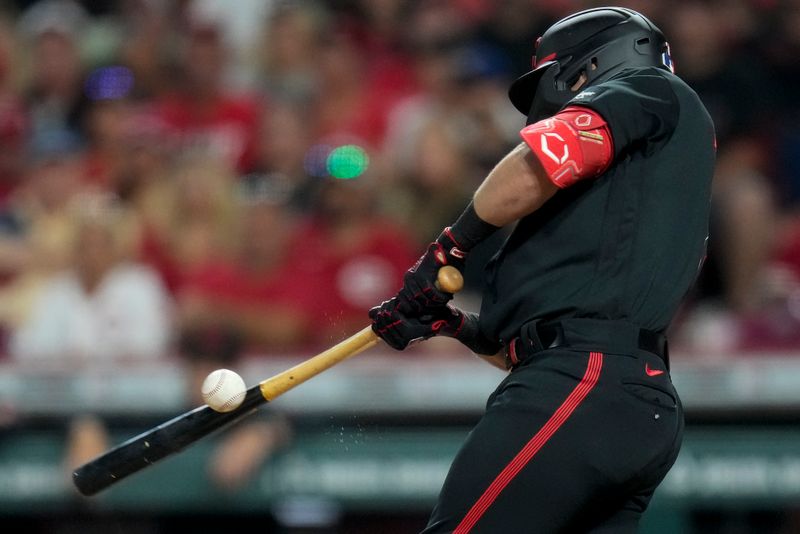
Elly De La Cruz is the headline Reds performer to watch from the current Cincinnati roster list, and his presence is one of the few concrete, player-level facts available to frame performance-driven swings in live pricing.
Late innings: closing leverage and finish-state bets
Late-game wagering typically tightens around bullpen leverage, final three-inning markets, and closing totals, and this listing does not supply any bullpen usage trends or pitcher assignments to quantify that.
Because the data does not include any odds history, the most realistic explanation for any late-week number change you might notice is standard opener liquidity, where limits rise and prices sharpen as first pitch nears.
The structural fact that Boston is away and Cincinnati is home remains the only baked-in situational marker from the betting card, and that home/away context is often enough to move late-game live prices when the margin is thin.
In the last check before first pitch, the game is scheduled for March 28, 2026 at 4:10 PM ET at Great American Ball Park in Cincinnati, and the broadcast network listed is NESN; monitor the board for the best number you can get, then lock your position and enjoy the opener.
Share this article with another Reds fan tracking the opener lines.
