First quarter
Charlotte Hornets vs Boston Celtics odds will be shaped early by which side controls the opening pace of this regular season matchup between Charlotte and Boston.
Charlotte’s first-quarter outlook is tied to the availability tags on
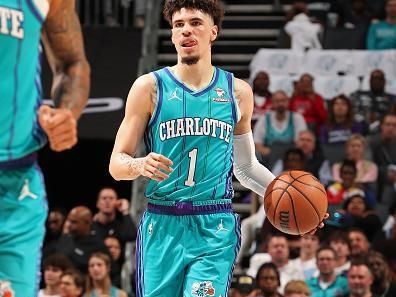
LaMelo Ball (rest, day to day) and
Brandon Miller (rest, day to day) as the Hornets try to set a stable offensive floor at home.
Buzz City’s rotation math also includes
Josh Green (shoulder, day to day),
Pat Connaughton (calf, day to day), and
Ryan Kalkbrenner (ankle, day to day), which can influence first-quarter minutes and the live betting market.
Miles Bridges stands as Charlotte’s cleanest steady-piece from the available Hornets list, and that steadiness matters most when early spreads react to who is actually on the floor.
A tight first quarter would also keep first-quarter totals in play, because multiple Hornets carry day-to-day designations that can affect shot creation and early scoring efficiency.
Second quarter
Second-quarter betting angles lean into depth, and Charlotte’s list features playable options like Tre Mann, Collin Sexton, and Mason Plumlee alongside Bridges.
Charlotte’s second unit stability matters more if Ball and Miller remain day to day, because that status often pushes books to shade player props and alternate lines toward safer usage assumptions.
Boston enters as the away team, and road splits commonly move in-game spreads when the home side strings together a defensive stretch at Spectrum Center.
If Connaughton and Green stay limited by calf and shoulder issues, the Hornets’ perimeter workload shifts toward the healthier guards and wings, which can swing second-quarter scoring runs and the halftime line.
This is also the quarter where head to head trends typically show up in live models, because rotations settle and matchup data becomes clearer possession by possession.
Third quarter
Third-quarter markets usually react fastest to halftime information, and Charlotte’s injury report is the central lever with Ball, Miller, Green, Connaughton, Kalkbrenner, and Grant Williams all listed day to day with specific designations.
Grant Williams’ listing includes an ACL note with day-to-day status, and any real limitation in frontcourt versatility can ripple into third-quarter rebounding sequences that decide spread outcomes.
If Bridges is carrying the Hornets’ primary two-way workload, third-quarter prop movement often follows his minutes security versus the volatility attached to rest tags on Ball and Miller.
Boston’s ability to pressure a thinner Hornets rotation can show up immediately after halftime, which is why third-quarter spreads and live totals frequently swing harder than pregame numbers.
Fourth quarter
Fourth-quarter betting is most sensitive to late availability and fatigue, and Charlotte’s cluster of day-to-day designations makes late-game prop ladders and live moneyline decisions especially reactive.
If the Hornets keep Bridges, Sexton, and Mann in consistent closing roles, that continuity can stabilize late possessions even when earlier rotations were unsettled by rest and minor injuries.
If Ball is active despite the rest tag, fourth-quarter creation can lift Charlotte’s closing scoring outlook, and that can tighten live totals in the final six minutes.
If Ball remains out and Miller remains out, Charlotte’s late-game shot profile leans more heavily on whoever is healthiest among the listed wings and guards, which can influence under/over decisions in live betting.
In the United States, the game is scheduled for March 29, 2026 at 6:00 PM ET at Spectrum Center in Charlotte, North Carolina, and the Charlotte Hornets vs Boston Celtics channel options listed are NBCS-BOS and FDSSE for fans looking for how to stream Charlotte Hornets vs Boston Celtics.
Ride with the Hive by tracking the injury updates close to tip, watching the live line movement quarter by quarter, and then share this article with other Hornets fans getting ready for Boston.
