First quarter
Toronto opens this Toronto Raptors vs Orlando Magic match analysis as the home side at Scotiabank Arena in Toronto, and that home floor typically shapes early moneyline expectations when books post opening odds.
Orlando arrives as the away team, and the first-quarter spread is where bettors often hunt an early edge because Toronto’s home qualifier can tighten defensive possessions from the jump.
Immanuel Quickley profiles as Toronto’s best betting-linked performer in this matchup context because he is a listed active guard on the current Raptors roster and sits at the center of pace, shot volume, and assist-rate outcomes that swing first-quarter totals.
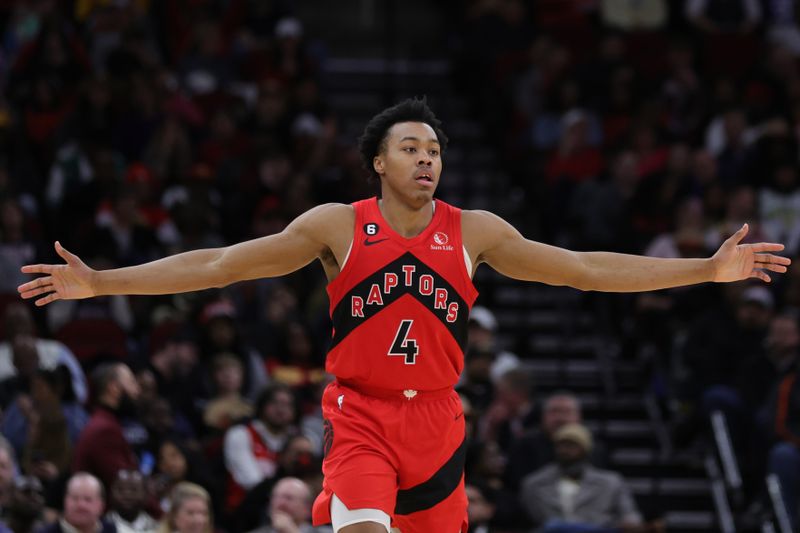
The market’s first-quarter over/under usually tracks tempo assumptions, and the Raptors’ ability to dictate half-court touches through Quickley and
Scottie Barnes is the kind of input that can nudge early total points projections.
Second quarter
Toronto’s second unit minutes matter for live betting lines because rotation stability influences whether a pregame spread holds or wobbles into a mid-game number.
RJ Barrett is on the current roster with a knee designation listed day to day, and any availability uncertainty like that is the type of factor that can move odds or trigger a small line shift toward Orlando if shot creation depth is questioned.
If Barrett’s status tightens closer to tip, the Raptors’ scoring distribution behind Quickley and Barnes becomes a bigger driver of the Toronto Raptors vs Orlando Magic over under for second-quarter stretches.
Orlando’s away qualifier also matters here because teams on the road can see slightly different whistle and role-player efficiency, which is exactly what in-game bettors watch when the live total adjusts possession by possession.
Third quarter
The third quarter is where spread betting often turns on halftime adjustments, and Toronto’s home setup gives the Raptors the last-change comfort of familiar rims and routines at Scotiabank Arena.
Brandon Ingram and
Jakob Poeltl are both listed on Toronto’s active roster, and their half-court shot-making plus interior finishing can stabilize offensive efficiency when defenses load up on Quickley’s creation.
Books respond quickly if a team’s shot profile changes after halftime, and a Raptors run can compress the live moneyline while forcing Orlando back into a higher-variance perimeter approach.
This is also the quarter where bettors re-ask who will win Toronto Raptors vs Orlando Magic because the first two quarters provide real-time data that can flip pregame assumptions.
Fourth quarter
Late-game pricing is driven by foul rate, free-throw pressure, and whether lead guards can protect possessions, and Quickley’s control of pace is central to Toronto’s closing script.
Scottie Barnes remains a key two-way connector on the current roster, and his defensive rebounding plus transition push can decide whether the fourth-quarter total lands over or under the posted number.
If Barrett is limited or out, Toronto’s closing shot diet leans heavier on Quickley, Barnes, and Ingram, and that concentration can tighten both the live spread and player-prop activity as the final minutes approach.
Toronto Raptors vs Orlando Magic prediction today leans toward the Raptors covering late if Quickley’s ball security keeps Orlando from generating extra road possessions.
In the final market check, fans can watch Orlando Magic at Toronto Raptors on March 29, 2026 at 6:00 PM ET at Scotiabank Arena on FDSFL or TSN, and that single-game spotlight typically increases handle on the spread, moneyline, and total points lines.
If you’re playing it, track Barrett’s day-to-day knee status, monitor any line movement before tip, and compare pregame numbers to early live betting swings.
Share this article with Raptors fans in Jurassic Park and anyone tracking the O-Town Magic matchup.
