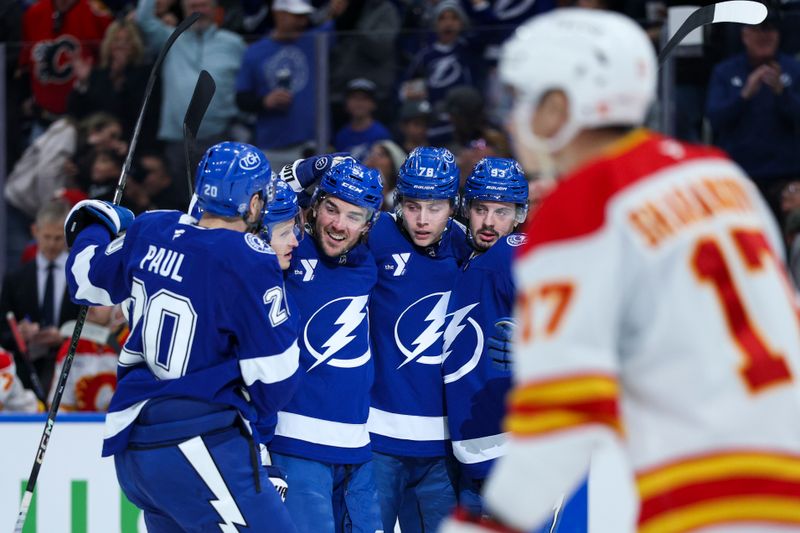
First period
The opening 20 minutes set the early-money tone with Calgary listed as the home team and Tampa Bay listed as the away team for this regular-season matchup.
That home designation matters in most NHL odds markets because the moneyline and puck line typically shade toward the team getting last change, and Calgary has it here.
The board for this game is framed by standard moneyline, puck line, and total goals options, and the cleanest early read is that first-period pricing often tracks overall pregame sentiment.
The only concrete availability note in the data is that
Samuel Honzek (Upper Body) is out for six months,
Martin Pospisil is out with no timetable, and
Zayne Parekh is on injured reserve with an Upper Body issue, which can influence how bettors approach first-period scoring props for Calgary’s depth.
With Calgary at home and Tampa Bay traveling in as the away side, the early-market lean usually centers on whether the Flames can dictate matchups, which is why first-period lines can tighten as puck drop nears.
For bettors shopping
Calgary Flames vs
Tampa Bay Lightning over under angles, the first period is often where totals risk shows up first because any pregame total is sensitive to an early goal against either club.
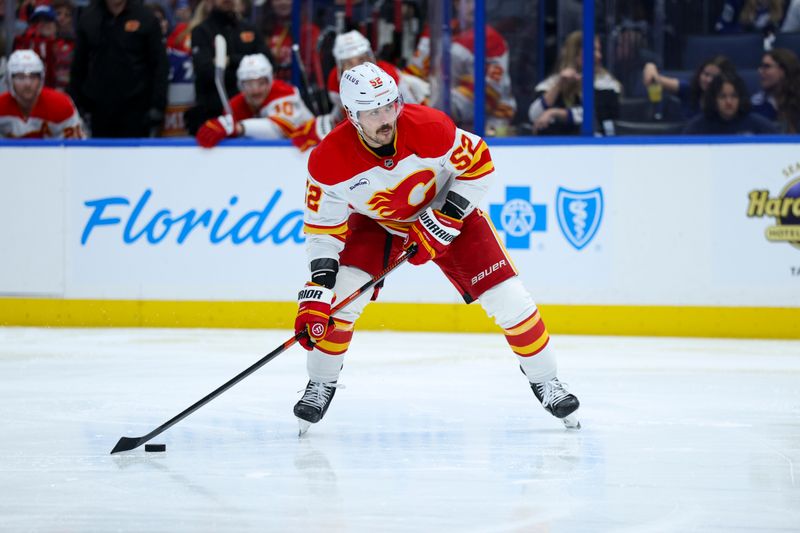
Second period
The second period is where live betting markets tend to react fastest to what the moneyline implied before puck drop, and that’s especially true in a Flames-home, Lightning-away setup.
Because this is a regular-season game in the group phase and round 1 listing, books generally keep live spreads conservative unless one team builds a multi-goal lead.
If Calgary’s shortened depth from the listed injuries forces more load onto available forwards like
Nazem Kadri,
Jonathan Huberdeau,
Mikael Backlund, and
Yegor Sharangovich, live player-prop markets often respond with adjusted shot and points lines while the period unfolds.
The key midgame gambling question becomes whether Calgary’s home-ice structure holds or whether Tampa Bay’s road pressure forces a live total to climb, which is where predictions chances of winning discussions typically mirror the live moneyline movement.
Any in-game swing in odds is usually driven by scoreboard state, special-teams sequences, and goaltending performance, and the only goalie names confirmed in the data on Calgary’s side are
Dustin Wolf and
Devin Cooley as rostered options.
If you’re tracking head to head context for wagering, this matchup is still anchored to the basic home-versus-away designation in the data, since no prior results are provided here to quantify trends.
Third period
The third period is where puck-line bettors usually feel the most variance because empty-net situations can flip a one-goal game into a two-goal final quickly, which directly impacts -1.5 and +1.5 outcomes.
With Calgary hosting Tampa Bay, late-game matchup control can be a deciding factor in whether the Flames protect a lead or chase the equalizer, and that’s what often drives the biggest late odds shifts.
If injuries keep Honzek, Pospisil, and Parekh out as listed, Calgary’s late-game deployment leans more heavily on the available core skaters, which can affect late goal-scorer and assist props in regulated markets.
Live totals bettors are typically watching whether the game state forces Tampa Bay to open up offensively as the away team, because that style shift is a common reason the in-game total jumps late.
For fans asking where to watch Calgary Flames vs Tampa Bay Lightning, the game is scheduled for March 22, 2026 at 8:00 PM, at Scotiabank Saddledome in Calgary, Alberta, and it is listed on ESPN+ and The Spot.
If you’re playing this one, shop the best price across the moneyline, puck line, and total goals markets before puck drop, and then share this article with fellow Flames fans tracking the odds.