First period
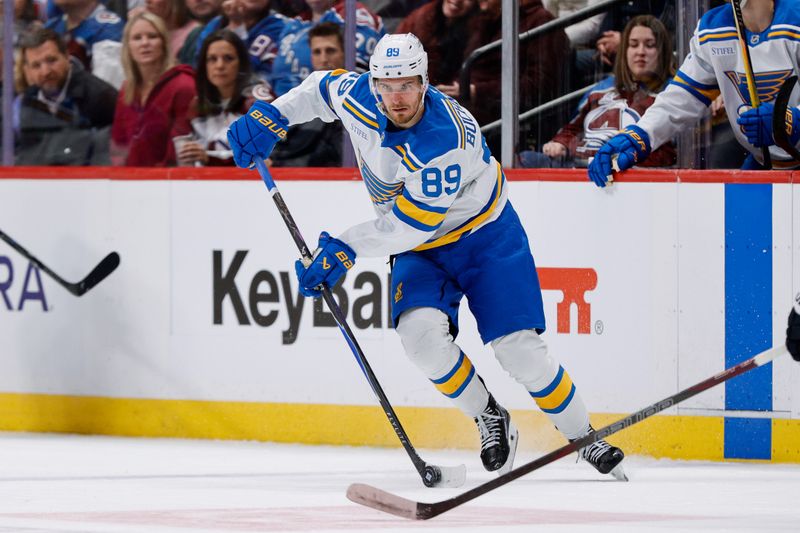
Colorado opens this matchup as the home team against the St. Louis Blues in the regular season.
The early handicap conversation starts with Colorado listed at home (COL) and St. Louis listed away (STL).
With only the matchup card available, the cleanest read on first-period markets is that any first-period moneyline, puck line, or team total movement would be driven by lineup certainty for Colorado’s top-end forwards and availability news among listed injuries.
Colorado’s injury list includes
Valeri Nichushkin (Out, lower-body) and Logan O’Connor (Out, hip), which can influence first-shift matchups, forecheck pressure, and first-period shot volume assumptions in books’ models.
Colorado’s active high-impact core includes
Nathan MacKinnon,
Cale Makar,
Devon Toews, and
Gabriel Landeskog, which is why early-game pricing often reflects Colorado’s ability to dictate pace at home.
If the Avs take a shorter pregame price close to puck drop, it typically aligns with market confidence in Colorado’s available top-end skaters and stable goaltending options like
Mackenzie Blackwood or
Scott Wedgewood.
Second period
The second period is usually where live odds swing most sharply because the change in long shift length can amplify depth and defensive structure, and Colorado’s roster includes multiple puck-moving defensemen in Makar, Toews, Samuel Girard, Josh Manson, and Brent Burns.
That blue-line skill matters to bettors targeting live totals because clean exits and controlled entries can translate into sustained zone time and higher-quality chances across the middle frame.
Colorado also carries week-to-week status for
Gavin Brindley (Out, lower body), which narrows some forward rotation options and can affect how books shade Colorado’s in-game team total projections.
For bettors scanning alternate lines, the
Colorado Avalanche vs St. Louis Blues spread discussion typically centers on whether Colorado’s skating and defensive activation can build a multi-goal cushion that makes puck-line prices playable in-game.
Because the schedule and tournament designation list this as a regular season game, the market expects standard lineup deployment rather than experimental usage, which keeps second-period live markets tightly tied to real-time shot and chance counts.
Third period
Third-period betting is often dominated by game state, and the most reliable anchor here is that Colorado is still the home side and St. Louis is still the road side on the slate.
When Colorado is leading late, moneyline prices generally compress toward a home close-out script, while totals bettors monitor empty-net risk and late special-teams volatility even when pregame totals were set conservatively.
If Colorado trails late, live markets usually inflate Colorado’s comeback price because the Avs’ top-end drivers like MacKinnon and Makar can spike scoring probability in a short window.
From a fan-and-bettor lens, predictions chances of winning tend to track whether Colorado’s available top players are intact and whether the out list stays limited to Nichushkin, O’Connor, and Brindley as noted.
Any late-week or day-of odds shift would most plausibly trace back to confirmation of Colorado’s starting goaltender between Blackwood and Wedgewood or any unexpected change to the injury statuses already listed.
The history between the Avalanche and the Blues is a constant backdrop for bettors, but the actionable market inputs here remain home-ice, roster availability, and goaltending confirmation.
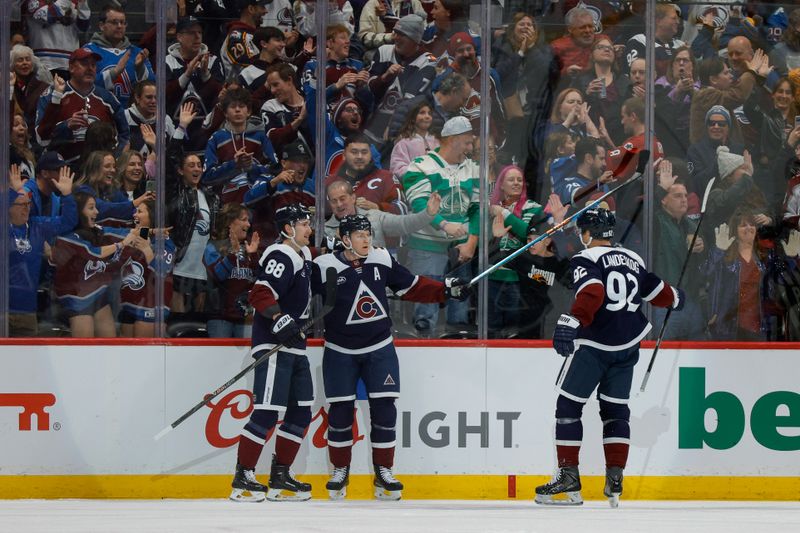
Colorado hosts St. Louis at Ball Arena in Denver on April 5, 2026 at 9:30 PM ET, and fans looking for where to watch Colorado Avalanche vs St. Louis Blues can find the broadcast on ESPN.
Track the closing lines, pick your spot on the pregame number or live board, and share this article with fellow Avs fans getting ready to ride the Burgundy and Blue.
