First period
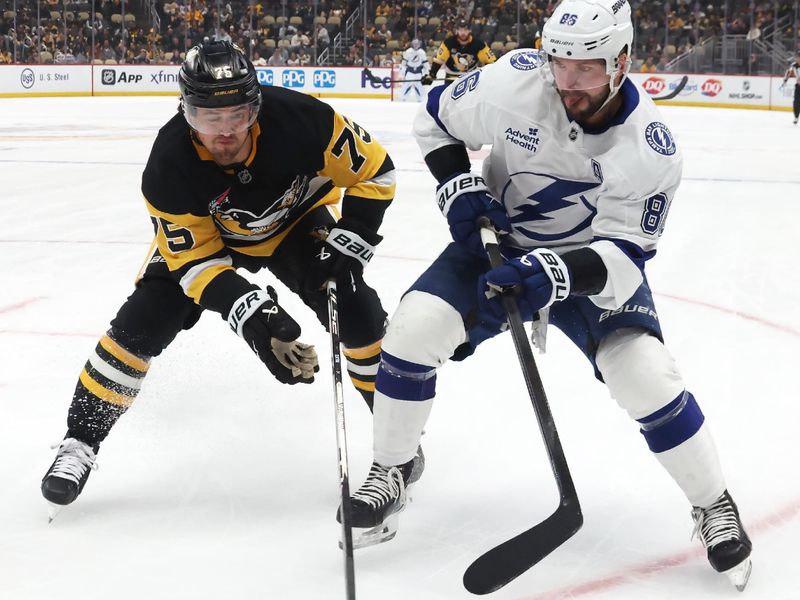
The betting board lists Tampa Bay as the home side against Pittsburgh, and that home qualifier is the first driver behind early-game price shading toward the Bolts.
Pittsburgh’s first-period outlook is tied to roster availability, with
Tristan Jarry listed day to day with a lower-body issue and
Bryan Rust listed day to day with an illness but expected to play.
The Pens also carry multiple outs that can compress early-line combinations, including
Rickard Rakell (hand),
Justin Brazeau (upper body),
Noel Acciari (upper body),
Ville Koivunen (lower body),
Filip Hallander (leg),
Caleb Jones (lower-body),
Tanner Howe (ACL), and
Jack St. Ivany (lower-body, conditioning loan).
With
Erik Karlsson active on the blue line alongside
Kris Letang and a forward group that includes
Sidney Crosby and
Evgeni Malkin, Pittsburgh’s cleanest path to an early edge is controlling tempo and keeping the first period from turning into a track meet.
This NHL betting preview
Pittsburgh Penguins vs
Tampa Bay Lightning stays centered on availability, and the strongest early read is that any first-period lean toward Pittsburgh is most sensitive to the crease decision if Jarry can’t go.
Second period
The second period is where pricing often reflects depth and health over star power, and Pittsburgh’s injury list remains the defining data point for in-game adjustments.
If Rust is indeed available as expected to play, Pittsburgh’s second-period scoring probability improves simply because it preserves a top-six look that otherwise gets diluted by the current outs.
On the back end, Karlsson’s puck-moving skill becomes a wager-relevant variable because it can stabilize exits and reduce extended defensive-zone shifts that inflate opponent shot volume in the middle frame.
Any in-game movement on the Pittsburgh Penguins vs Tampa Bay Lightning over under is most plausibly explained by goaltending confirmation tied to Jarry’s day-to-day tag, since uncertainty at goalie is the quickest way totals get nudged.
For bettors tracking match player stats, the only reliable, game-specific takeaway here is that Pittsburgh’s available core includes Karlsson, Letang, Crosby, and Malkin, while several regular forwards and depth pieces remain unavailable.
Third period
Late-game lines are typically most reactive to bench length, and Pittsburgh’s list of outs is a concrete reason the market can favor Tampa Bay to close stronger at home.
If the Pens keep the game tight through 40 minutes, the live moneyline can swing quickly because a single goal changes the leverage on a road underdog, especially when the opponent is already listed as home.
Pittsburgh’s best late push is tied to the available veteran spine—Crosby and Malkin up front and Karlsson and Letang behind them—because those are the roster constants that can create a controlled final 10 minutes.
From a pure betting perspective, predictions chances of winning lean most on whether Pittsburgh gets stable goaltending clarity with Jarry’s day-to-day status and whether Rust’s expected availability holds, because those are the two near-term health facts that can justify a price or total shift.
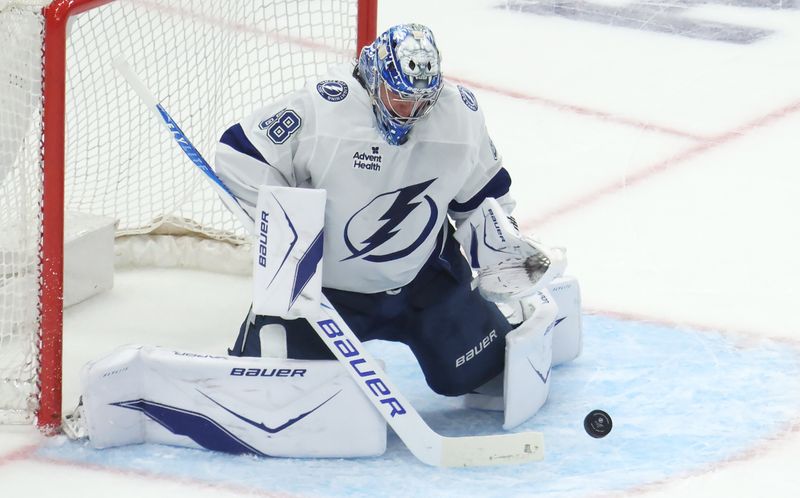
In the final numbers check, keep your read anchored to the live market for any pregame move tied to Jarry’s availability and Rust’s expected return, then decide whether the value sits on the Pens as a road price or on a tightened total in this Pittsburgh Penguins vs Tampa Bay Lightning over under discussion.
The Penguins visit the Lightning at Benchmark International Arena in Tampa, Florida on April 2, 2026 at 7:00 PM ET, and fans can watch on ESPN+, The Spot, or SportsNet PT.
If you’re playing it, track the closing odds, watch the lineup confirmations, and share this article with any Pens fans building their card for Pittsburgh at Tampa Bay.
